Selling fast!
Get yours while you can.
Couldn't load pickup availability
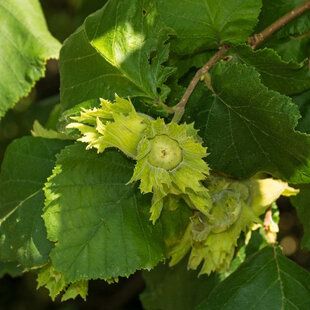
Hazel, scientifically known as Corylus avellana, is a versatile and resilient deciduous shrub or small tree, well-loved for its broad, heart-shaped leaves and distinctive catkins. It is a native species to the UK and is highly valued for its edible nuts, known as hazelnuts or cobnuts, which provide a rich source of food for wildlife and people alike. Hazel is a key species in traditional hedgerows and woodland areas, often planted for its ecological benefits and aesthetic appeal.
Hazel is easy to grow and requires minimal care, making it suitable for a wide range of gardens. For those interested in coppicing, Hazel should be cut back to the base every 7-10 years to encourage new growth. Regular pruning helps maintain its shape and encourages the production of nuts. Hazel thrives in well-drained soil and can tolerate a variety of conditions, though it prefers a spot with some sunlight. Mulch annually to retain moisture and suppress weeds.
Hazel is incredibly versatile and can be used for a variety of landscaping purposes. It is commonly planted in hedgerows, woodlands, and wildlife gardens due to its ability to provide dense cover and food for birds, insects, and mammals. Hazel is also valued in coppicing for sustainable wood production, and its nuts are harvested for culinary uses. Additionally, its attractive, twisting branches make it a favourite for ornamental use, particularly in winter when the catkins emerge.
Characteristics:
Height: 3m – 8m
Spread: 3m – 6m
Growth Rate: Fast
Position: Full sun to partial shade
Soil: Prefers well-drained soil; tolerant of various soil types, including chalky and clay soils
Flowers: Yellow catkins (male) and small, red-tipped flowers (female) appear in late winter to early spring
Foliage: Broad, rounded green leaves that turn yellow in autumn
Nuts: Edible hazelnuts appear in late summer to early autumn, providing food for wildlife and foraging opportunities
Bark: Smooth, pale grey-brown bark that becomes more textured with age